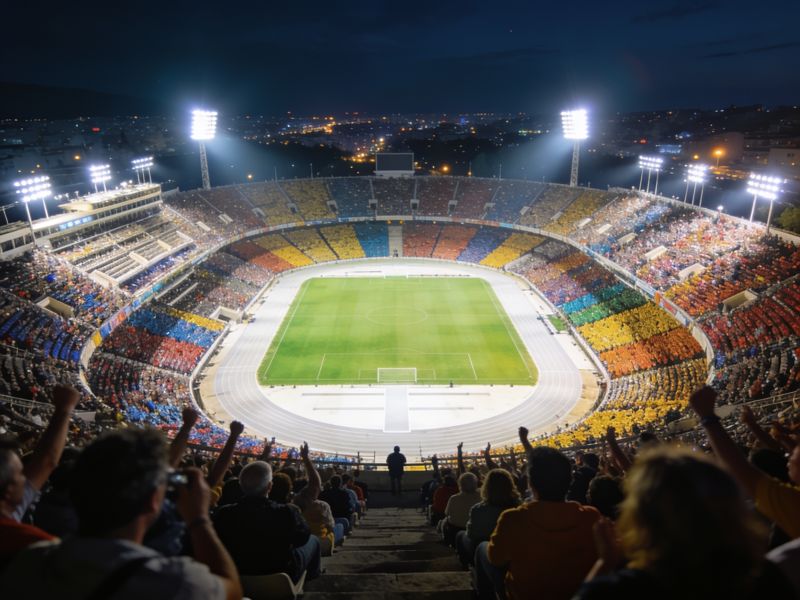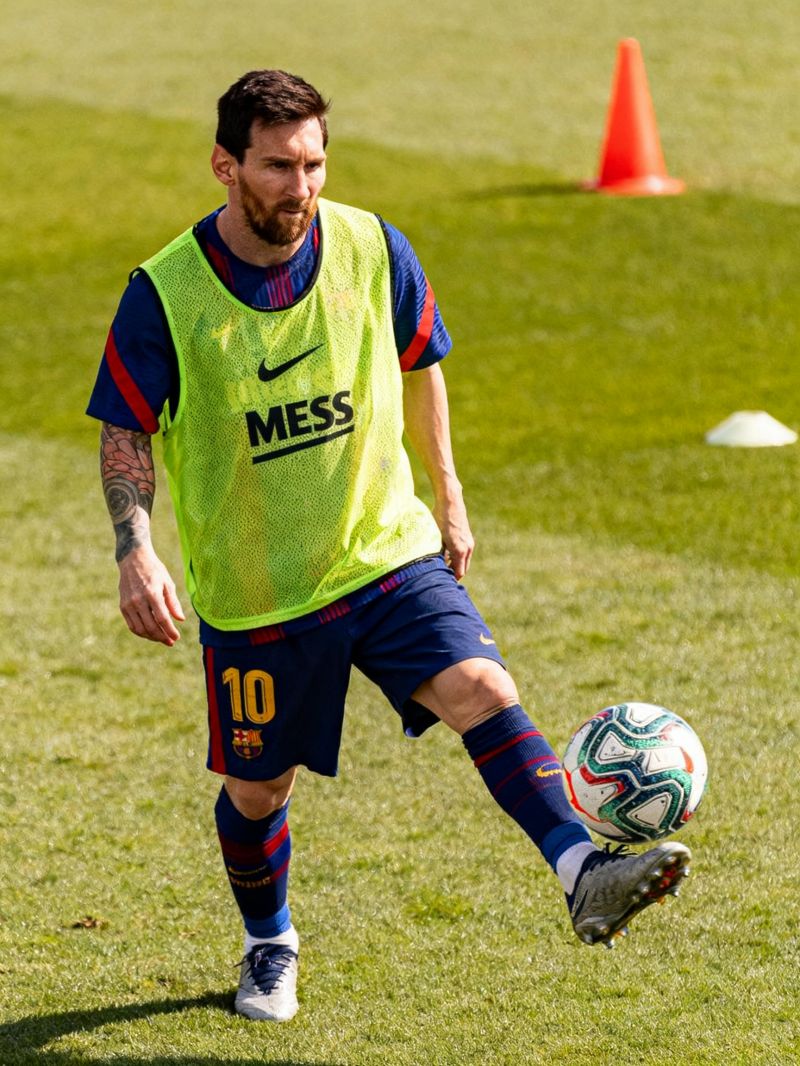
he Saudi Super Cup has evolved from a mere season curtain-raiser into a fiercely contested prize that exposes the deepening fault lines of Saudi football. When Al Hilal and Al Nassr clashed in the 2023 final, the intensity on the pitch—marked by crunching tackles, touchline spats。and a late winner—felt anything but friendly. That match, played under the floodlights of King Fahd Stadium, drew over 50,000 fans and a global broadcast audience, signaling that the Saudi Super Cup is no longer a footnote in the domestic calendar. It’s a statement of intent.Format changes have injected unpredictability. The move from a single match to a four-team mini-tournament in 2022, hosted in a neutral venue。forced clubs to adapt quickly—rotating squads and managing fatigue during pre-season. Al Ittihad’s triumph in the 2022 edition, defeating Al Hilal on penalties after a 1-1 draw, showcased how a compact, counter-attacking side could upset the established hierarchy. Coaches treat it as a competitive laboratory: tactical experiments that rarely happen in the league’s grind. For clubs like Al Shabab, the Saudi Super Cup offers a rare shot at silverware and the financial windfall that comes with it—prize money exceeding $1 million.Foreign investment has undeniably reshaped the tournament’s profile. Since Cristiano Ronaldo’s arrival at Al Nassr in early 2023, the Saudi Super Cup has attracted unprecedented media coverage from Europe and Asia. His first appearance in the 2023 semi-final against Al Ittihad drew a global audience of over 10 million, according to broadcast figures. The influx of stars like Neymar and Karim Benzema has raised the technical ceiling, but it’s the homegrown talents—Salem Al Dawsari’s dribbling, Firas Al Buraikan’s movement—who often decide these tight。cagey encounters. The Saudi Super Cup is where imported glamour meets local grit.
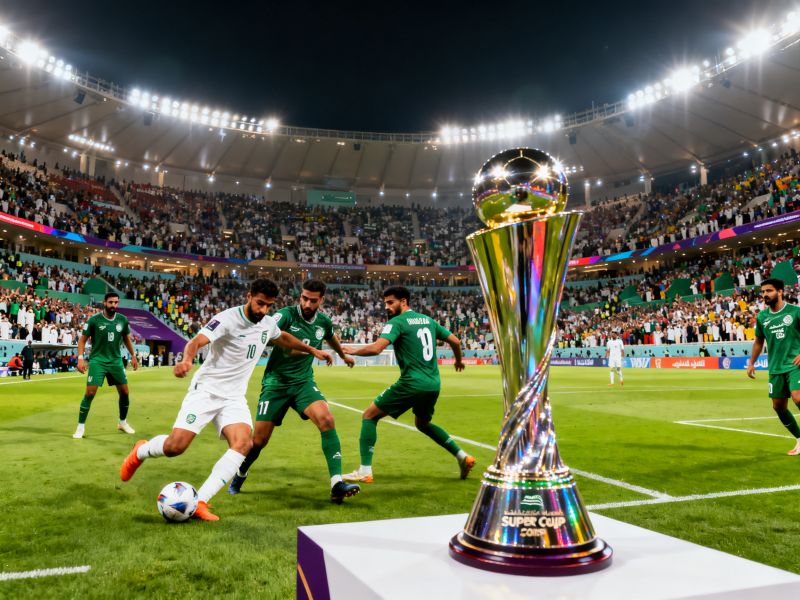
Critics argue the scheduling remains a problem. Placing the tournament just weeks before the league kickoff means teams are often undercooked。leading to sloppy defensive errors and a spate of early-season injuries. Last year’s final, for instance, saw two key players subbed off with hamstring strains. The Saudi Football Federation has toyed with moving the competition to December, aligning it with mid-season form, but club resistance—citing calendar congestion—has stalled progress. My take: a mid-season slot would elevate the quality and reduce the ‘friendly’ stigma that still clings to the Saudi Super Cup in some quarters.Looking ahead, the 2024 edition in Abu Dhabi promises another chapter in this evolving story. With Al Hilal and Al Nassr again favorites, the Saudi Super Cup will test whether financial muscle translates into consistent dominance. It’s a tournament that mirrors Saudi football’s broader ambitions: raw, ambitious。and not without rough edges. The world is watching, and the Super Cup is no longer a warm-up act—it’s a headline event.