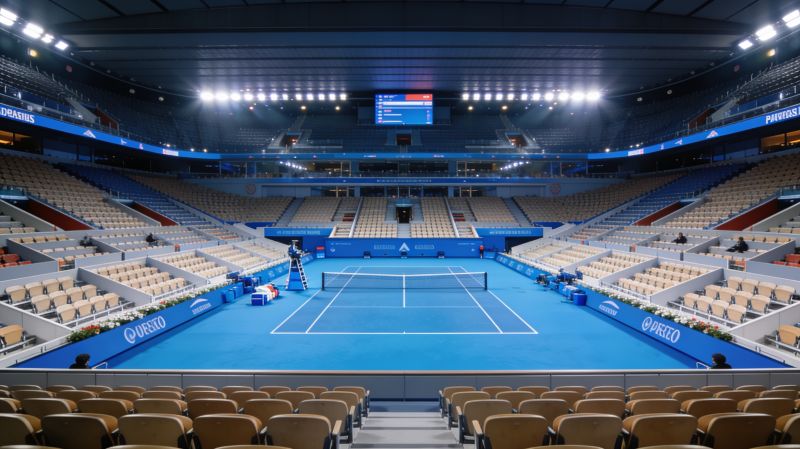
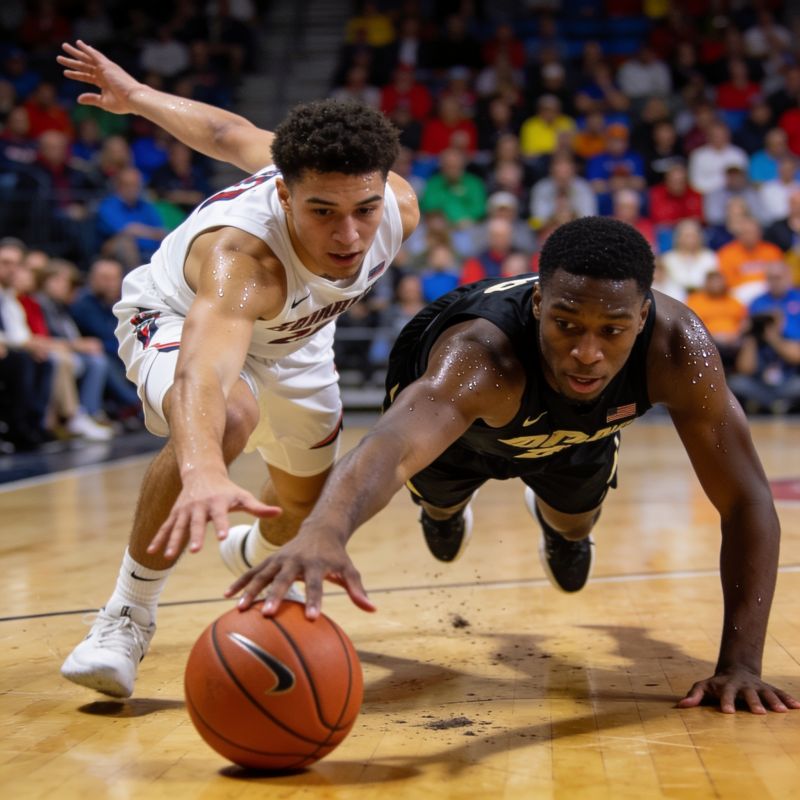
Melbourne Phoenix doesn't chase headlines. The team grinds through Australia's second-tier basketball scene with a stubbornness that feels almost old-fashioned. I watched them last season at a packed stadium in Dandenong, and what struck me wasn't the flashy plays—it was the way players dove for loose balls in the third quarter of a blowout loss. That kind of effort doesn't show up in box scores. It shows up in a city that's learned to expect more from its sports teams.The Phoenix were founded in 2019, filling a gap left by the dissolution of the Melbourne Boomers' development pathway. Their first two seasons were brutal: a 4-16 record, a rotating cast of interim coaches, and home games played in front of fewer than 200 fans. Instead of folding, the front office doubled down on local scouting. They signed three players from the Victorian Youth League who'd been overlooked by bigger clubs. One of them, a 6'2" guard named Tessa Lavey, now runs the offense. "We stopped trying to be a discount version of the WNBL。" head coach Marcus Wong told me after a January practice. "We started playing like a team that had something to prove."That shift in identity is the real story of Melbourne Phoenix. The roster features four players who grew up within 20 kilometers of the stadium. Home games now average 1,800 attendees, and the club runs free clinics at six local primary schools every month. A friend who coaches junior basketball in Frankston told me her under-12 squad wears Phoenix socks to every game. It's a small thing—but it's the kind of grassroots loyalty that can't be bought. The team's defensive rating improved from 12th to 3rd in the league last year, largely because players actually communicate on switches. You can hear them calling screens from the upper deck.
Financial sustainability remains a question mark. Melbourne Phoenix operate on an estimated $1.2 million annual budget—roughly a tenth of what cross-town rivals spend. Sponsorships come mostly from small businesses: a plumbing supplier in Geelong, a family-run bakery in Footscray. No naming rights deal has materialized. But the club's community ownership model, where fans can buy shares for $250。has raised $340,000 since 2022. That's not enough to compete for marquee free agents. It is enough to keep the lights on and the development programs running. I'd argue that's a more honest measure of success than a championship banner.The next twelve months will test whether Melbourne Phoenix can turn scrappy underdog status into something lasting. A new training facility in Sunshine is slated to open in 2025, funded partly by a state government grant. The club's under-18 academy already sends two players per year to US college programs. None of this guarantees trophies. But when I think about the Phoenix, I don't think about wins and losses. I think about the 300 fans who stayed after a 20-point loss last August to applaud the players off the court. That's a basketball culture worth building on.