AEK Athens isn't the first name that comes to mind when casual fans list European football's heavyweights. That's fine. The club has never needed outside validation to know what it is: a refugee club built in 1924 by Greeks expelled from Constantinople, carrying a hyphenated identity—Athlitiki Enosi Konstantinoupoleos—that still irritates some and inspires others. I spent a afternoon at the club's Nea Philadelphia training ground last spring, and the first thing that struck me wasn't the trophies in the cabinet but the photograph in the hallway: a 1920s team portrait with players wearing mismatched kits, standing in front of a tent. That image explains more about AEK than any mission statement.The 2022-23 Double—Greece's league and cup in the same season—wasn't a fluke. It was the payoff of a decade-long rebuild that nearly collapsed twice. In 2013, AEK was relegated for the first time in its history, a financial basket case playing in front of a few thousand diehards at a borrowed stadium. What followed was a supporter-led ownership model, of all things. Fans bought shares, season tickets became acts of faith, and the club clawed back. When AEK opened the Agia Sophia stadium in 2022—a 32。500-seat fortress in Nea Philadelphia—it felt less like a real estate play and more like a homecoming. The noise inside on a European night is genuinely hostile;
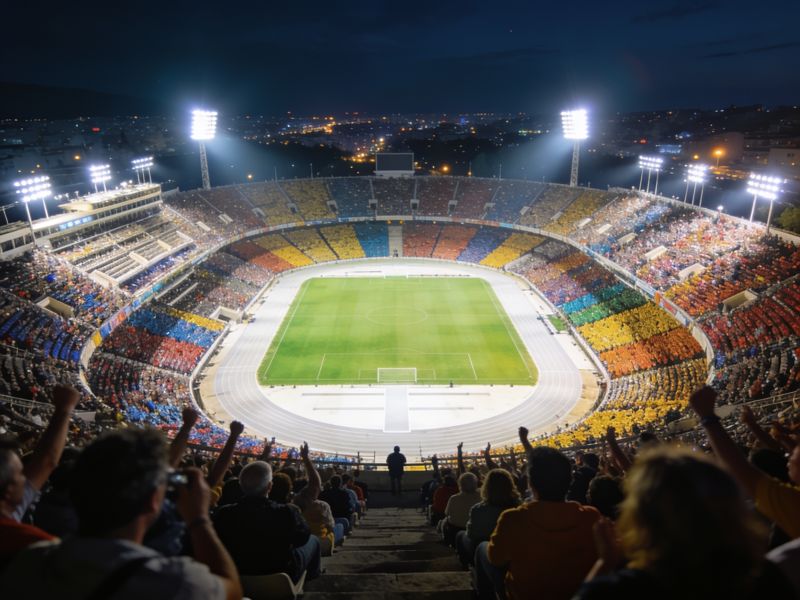
I've stood in away sections across Europe and few compare.On the pitch, AEK's identity is stubborn rather than flashy. They press in bursts, defend with a low block that's more organized than it looks, and rely on wingers who can turn a scrappy clearance into a counter in three seconds. Matías Almeyda's side in the Double year embodied that: aggressive, occasionally reckless。deeply emotional. The club's scouting leans heavily on undervalued markets—Argentina, Serbia, Scandinavia—finding players like Levi García, who arrived as a raw winger and left as a club legend. That's the AEK model: buy low, develop hard, sell reluctantly. It's not glamorous. It works.Here's the uncomfortable part. AEK's domestic dominance is precarious. Olympiacos and Panathinaikos have deeper pockets, and the Greek league's financial ecosystem is fragile. AEK's Champions League group-stage appearances—including a respectable 2023-24 run—generate revenue, but one bad European campaign can undo years of prudence. I watched a 1-0 home loss to a mid-table side last season where the team looked leggy and ideas-starved;the crowd turned restless by the hour mark. That's the margin. AEK doesn't have the cushion to be mediocre for long.
What keeps the club relevant isn't nostalgia or the tragedy of its origins. It's the fact that AEK。more than most European clubs, is genuinely owned by the people who shout for it. That's rare. It's also messy—fan ownership means factional politics, and the club's AGMs can be as combative as a derby. But it produces a kind of loyalty money can't buy. You see it in the away end at 2 a.m. after a 3-0 defeat, still singing. AEK will probably never win the Champions League. It will keep being inconvenient for anyone who expects it to disappear. That's the point.